A Step in Time Structural Engineers

Cracks in Your Foundation vs. Normal Settling: How a Licensed Structural Engineer in Virginia Tells the Difference

You notice a crack running along your drywall. Or maybe it’s at the corner of a window frame or along the base of a brick exterior wall. Your first instinct is worry, and understandably so. But not every crack in a Virginia home signals a serious problem. The challenge is knowing which ones do.
This is precisely the kind of question a licensed structural engineer is trained to answer, not a general home inspector, not a contractor, and not a quick online search. In this guide, we break down how a PE-licensed structural engineer distinguishes normal settling cracks from structural ones, what indicators matter most, and why an accurate assessment matters for your home, your finances, and any insurance process you may be involved in.
What Is Normal Foundation Settling?
As described in the Foundation Engineering Handbook, settlement refers to the permanent downward shift of a foundation over time as the structure’s weight redistributes itself into the underlying soil. In newly constructed homes, this process is most active during the first few years. As the framing dries, lumber shrinks, and concrete cures, minor hairline cracks may appear in drywall, plaster, and even masonry. This is an expected behavior and not a cause for alarm.
Virginia’s diverse soil conditions, from the clay-rich lands of Northern Virginia to the sandy soils of the coastal plains, mean that settling behavior varies significantly by region. A licensed structural engineer familiar with Virginia’s geological conditions and building codes understands how these local conditions interact with building performance over time.
Features of settling cracks:
• Fine line thickness, which is usually under 1/16 inch wide
• Form in gypsum board or plaster and not in load-bearing masonry structures
• Dispersed, not localized to any particular region
• Remain constant as they don’t widen, move, or grow further
• Not associated with other issues like jammed doors or floor irregularities
When to call expert for foundation assessment, go here for the detailed information.
When a Crack Is Not Normal: Warning Signs a Structural Engineer Looks For
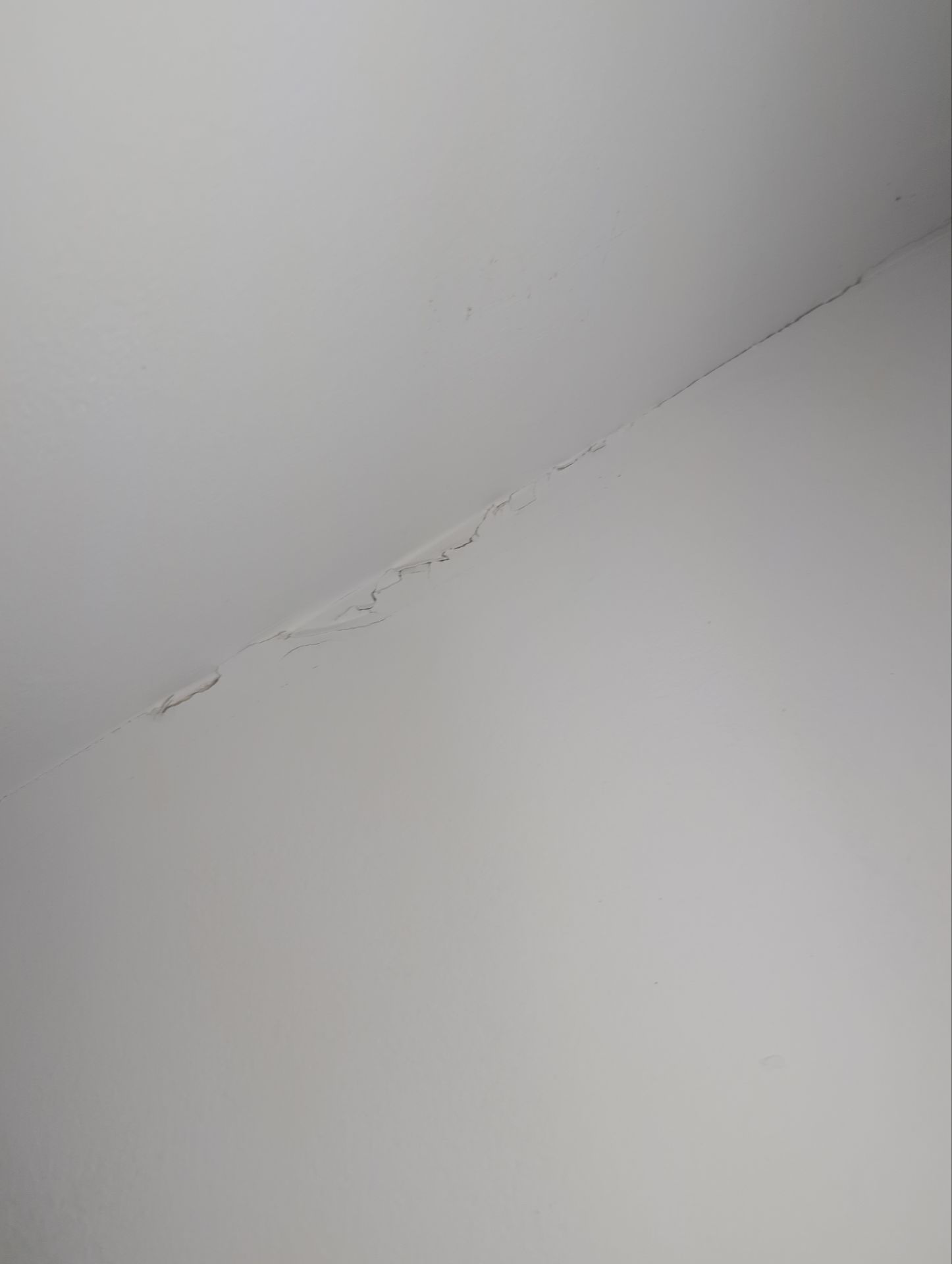
The difference between cosmetic and structural is not always visible to the untrained eye. A PE-licensed structural engineer does not just look at the crack, they assess the full context: where it is, what it’s in, how it’s oriented, whether it’s active or dormant, and what else is happening around it.
Here are the signals that move a crack from “cosmetic” to “requires engineering evaluation”:
1. Crack Orientation and Pattern
Diagonal cracks that run in 45-degree angles are clear signs of uneven foundation movement. If a portion of the foundation experiences heavy differential settlement, dropping lower than the rest of the home, the shear forces created by this can rip open the drywall and brickwork at a slant. Stair-step cracks in brick or block walls often indicate potential differential foundation settlement in sections of foundation supporting the brick/block and can also indicate issues with brick ties or lintels around doors and windows on brick veneer walls.
2. Crack Width and Active Growth
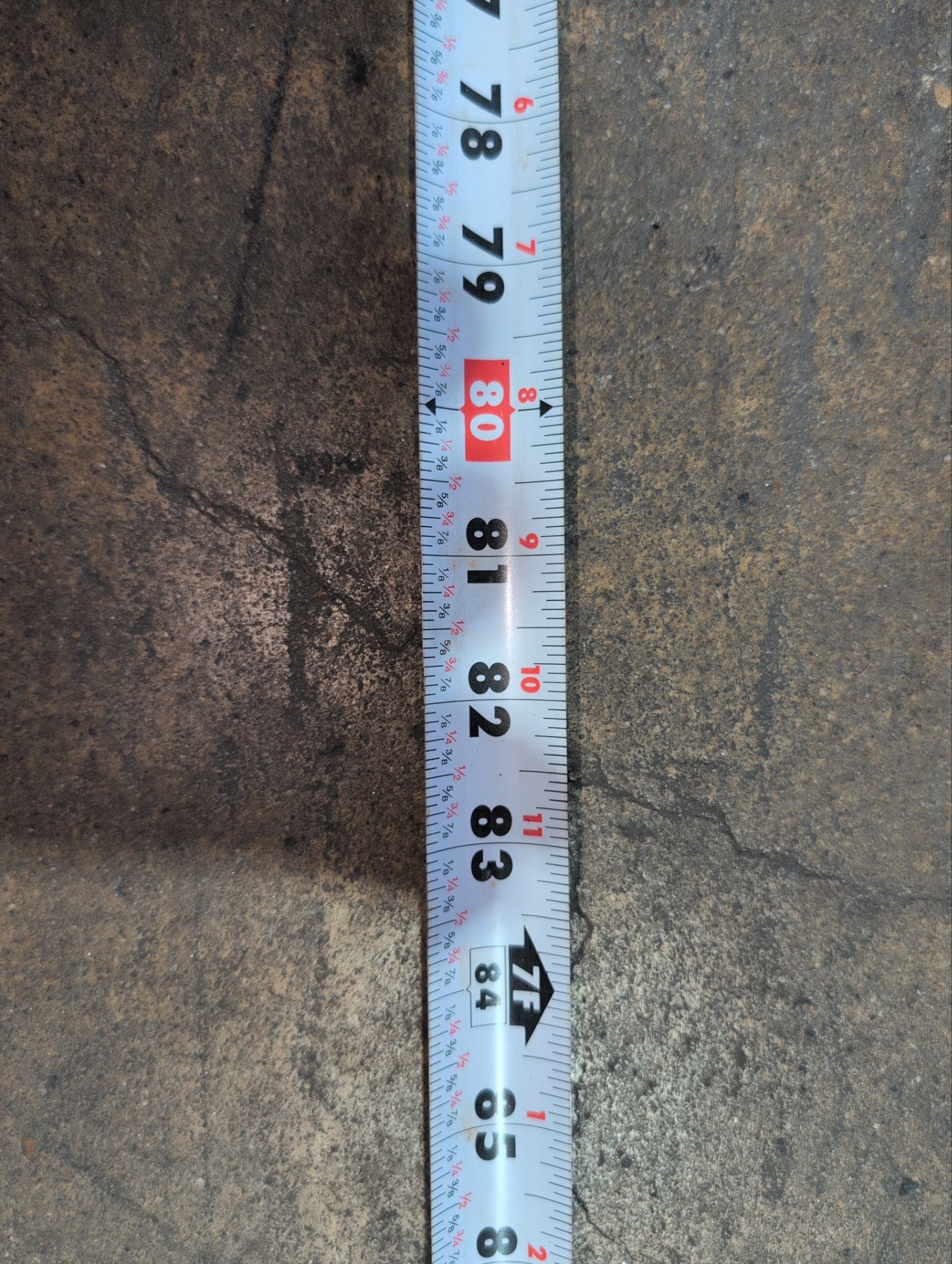
A crack wider than 1/4 inch deserves professional evaluation. More importantly, a crack that is growing, one that has changed since you first noticed it, indicates an active, ongoing condition rather than a one-time event. Structural engineers use laser leveling tools and physical measurement to document whether a crack is dormant or progressing.
3. Accompanying Symptoms
A crack in isolation tells one story. A crack accompanied by any of the following tells a very different one:
• Doors and windows that stick or no longer close properly. This points to frame distortion caused by foundation movement
• Floors that show visible signs of being bumpy or bouncy. This can be evidence of problems with the floor joists, insufficiently sized girders, or foundation settlement
• Infiltration of water in the crawl space or basement region. The entrance of water through a crack is considered an indicator of structural vulnerability.
• Several cracks forming simultaneously. This indicates that there is movement taking place, and therefore it is not a matter of settling in one spot
According to the American Society of Civil Engineers (ASCE), professional assessment should follow standardised observation protocols aligned with engineering investigation frameworks, including ASCE 11, to ensure findings are defensible and consistent.
4. Location in the Structure
The location of the crack is very important. A crack in the drywall in the corner of a window is far less worrying than cracks in a masonry wall carrying load, foundation stem wall, or structural beam. The engineer will determine if the damaged element is part of the load path of the building.
Related Reading: What to Do If Your Virginia Home Has Cracks, Sagging Floors, or Roof Problems
Why Virginia's Soil and Climate Make This Assessment More Complex
Virginia is not a geologically uniform state. A structural engineer conducting an inspection in Roanoke, where homes often sit on hillside terrain, applies different diagnostic reasoning than one inspecting a flat-slab foundation in Richmond, or a Tidewater property subject to periodic flooding.
The Virginia Department of Housing and Community Development maintains the USBC and oversees code compliance across the Commonwealth. A structural engineer licensed in Virginia is required by the APELSCIDLA Board under DPOR to maintain current knowledge of these standards, which is a key reason why hiring a locally licensed PE matters when assessing Virginia-specific conditions.
What a Structural Inspection Actually Involves
A licensed structural engineer does not simply walk through a home with a flashlight. The inspection process involves:
• Crawl space evaluation: examining the foundation walls, floor joists, girders, and posts from below
• Laser leveling of interior floors: to measure the precise degree and location of any settlement
• Exterior assessment: examining grading, downspout discharge, and drainage patterns that may be contributing to soil movement
• Documentation of all the cracks present: including dimensions and directions by means of photos
• Engineering opinion: which would help separate aesthetic cracks from those requiring repair
The resulting report is not an advisory checklist. It is a stamped engineering document issued by a PE, recognized for use in insurance reviews, real estate transactions, and, when necessary, legal proceedings. A PE-stamped structural report carries professional engineering accountability and meets the documentation standard required for formal structural assessment.
Frequently Asked Questions
Q: Can I just monitor the crack myself over time?
Monitoring is reasonable for hairline cracks with no accompanying symptoms. Mark the ends of the crack with a pencil and date them. If it grows, or if any other symptoms appear, contact a licensed structural engineer promptly.
Q: Does a cracked foundation always need repair?
Not necessarily. Many foundation cracks are cosmetic. A structural engineer’s role is to assess whether repair is warranted, what type of repair is appropriate, and what the risk of inaction is. Many homeowners are surprised to learn that an expensive-sounding crack requires no structural intervention at all.
Q: How much does a structural inspection cost in Virginia?
Inspection fees vary based on the size and complexity of the property. At A Step in Time, we provide transparent, all-inclusive pricing, one fee that covers the site visit, the engineering analysis, and the stamped report. There are no add-ons after the fact.
We have also published a blog on the importance of transparency in structural inspections, which you may find helpful. Be sure to check it out to learn why clear pricing and honest reporting matter when choosing a structural inspection service.
The Bottom Line
Not every crack is a crisis. But some cracks that look minor are anything but. The only way to know the difference with confidence is to have a licensed structural engineer, someone trained in load path analysis, soil behavior, and Virginia building codes, conduct a proper evaluation.
At A Step in Time Structural Engineers, Raymond Gessner, PE, has conducted hundreds of residential structural inspections across Virginia, Maryland, and several other states. His reports are built on engineering methodology, documented with precision, and stamped with a PE license, giving homeowners, insurers, and real estate professionals the reliable data they need to make informed decisions.
Schedule a structural inspection with a licensed Virginia PE today! Call (848)467-7328 to schedule an appointment.

Raymond Gessner
Ray’s academic background is firmly rooted in engineering. He earned a Bachelor of Science in Civil Engineering from Virginia Tech in 1991, followed by a Master of Engineering degree from Old Dominion University in 1998. His technical expertise was further solidified when he obtained his Professional Engineering (P.E.) license in 1999.