A Step in Time Structural Engineers
How Structural Engineers Use Modern Tools to Detect Hidden Damage

Structural damage in homes is not always visible, and the most serious issues develop quietly over time. Different factors affect the structural strength of your home, such as moisture intrusion, storm forces, and gradual load shifts, which often affect framing, connections, and foundations long before obvious signs like cracks or sagging appear.
At A Step in Time Structural Engineering, we rely on more than visual observation to evaluate a structure. As licensed Professional Engineers, our core objective is always focused on determining why a condition exists, not just what it looks like. And for that, we combine engineering judgment with modern structural inspection tools that help uncover hidden damage and confirm structural behavior.
This is how we are able to provide homeowners, insurers, and other professionals with accurate conclusions about the structural damage, backed by data.
Why Visual Analysis Alone Is Not Enough
A visual inspection is always the starting point, but it has limits. Many structural issues begin internally, where they cannot be seen without further evaluation.
The wall cavities may contain moisture, and you may not even notice it because there is no stain on the outside, and everything looks dry. Roof framing can experience stress or separation without obvious exterior damage.
Floor systems may be overstressed even when they appear level.
Because of this, modern structural inspections must go beyond surface conditions. Our role as engineers is to evaluate how a structure is actually performing, not just how it appears.
Using Thermal Imaging for Structural Evaluation
One of the advanced techniques we use during certain inspections is thermal imaging structural analysis. With thermal imaging, we identify temperature variations across building surfaces, which in our experience often correlate with moisture intrusion, insulation disruption, or material changes.
In structural engineering, thermal imaging is not used to diagnose problems on its own. Instead, it helps us identify areas that require closer examination.
For example – unusual thermal patterns may indicate trapped moisture behind walls or roof assemblies affected by storm-related water intrusion.
When combined with engineering analysis, thermal imaging supports more accurate conclusions about where damage may be developing and why.
Moisture Mapping and Professional Engineering Interpretation
Moisture is one of the most common contributors to hidden structural damage in homes, especially in Virginia. And with time, exposure to moisture can weaken wood framing, corrode metal connectors, and reduce the capacity of structural elements.
Through moisture mapping engineering, we measure moisture levels in specific materials and track how water may be moving through the structure. It is important because it lets us find out whether moisture exposure is active, historical, or related to a specific event, such as a storm or any recent natural disaster.
More importantly, we evaluate how that moisture affects structural performance. Moisture readings alone are not conclusions; engineering interpretation is what turns data into meaningful findings.
Evaluating Structural Behavior with Digital Measurement Tools
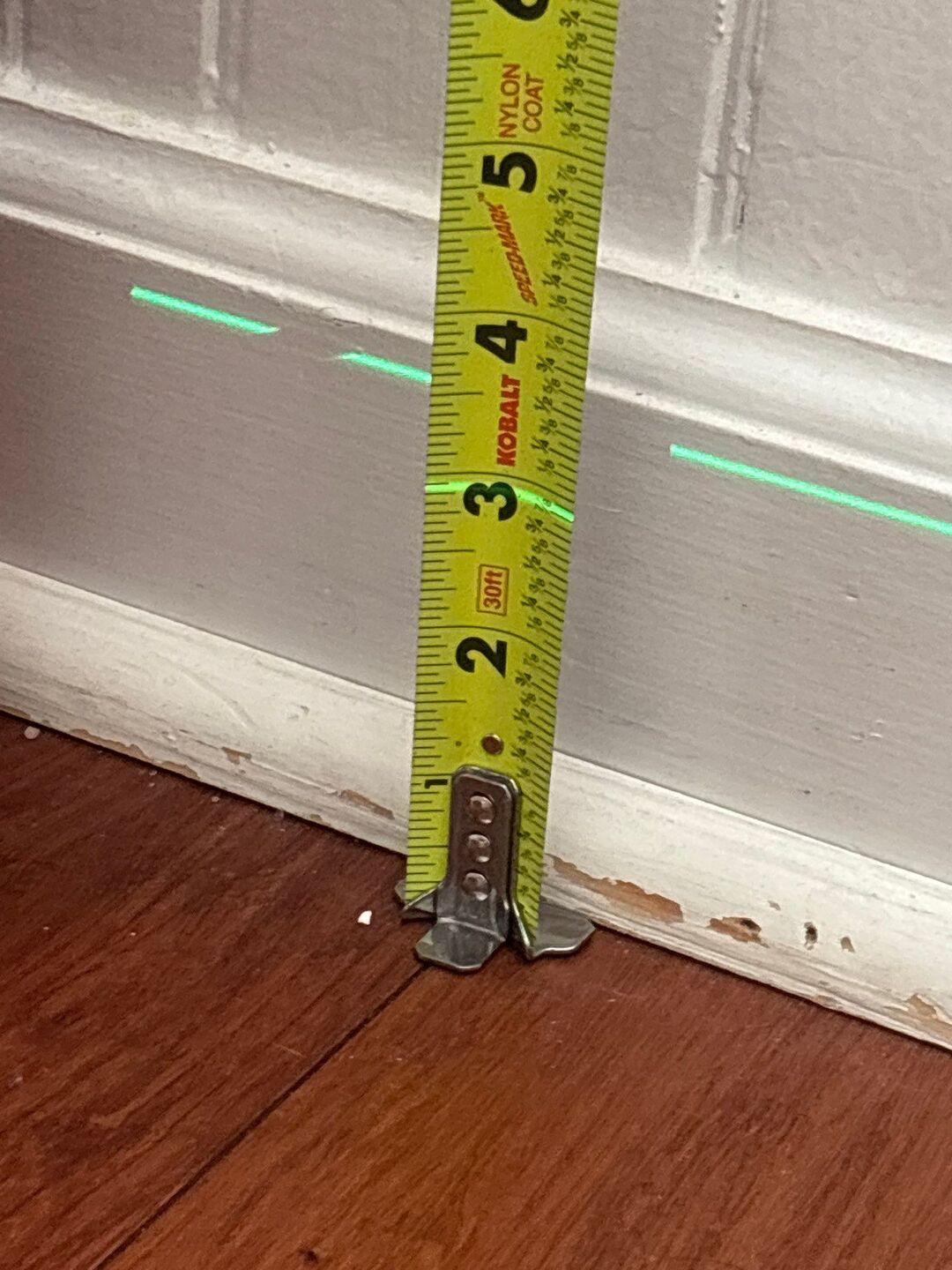
In homes that have sagging floors, roof deflection, or concerns about load capacity, we always prefer to use digital load testing and measurement tools. With this, we are able to quantify movement, deflection, or vibration under normal conditions.
Rather than relying on assumptions or subjective judgements, we measure how a structural system responds to loads and then determine whether that response is acceptable as per our engineering limits. This is very important when assessing older homes, post-renovation concerns, or storm-related structural changes.
This is how we are able to distinguish between normal structural behavior and conditions that require intervention.
Structural Diagnostics Technology and Forensic Accuracy
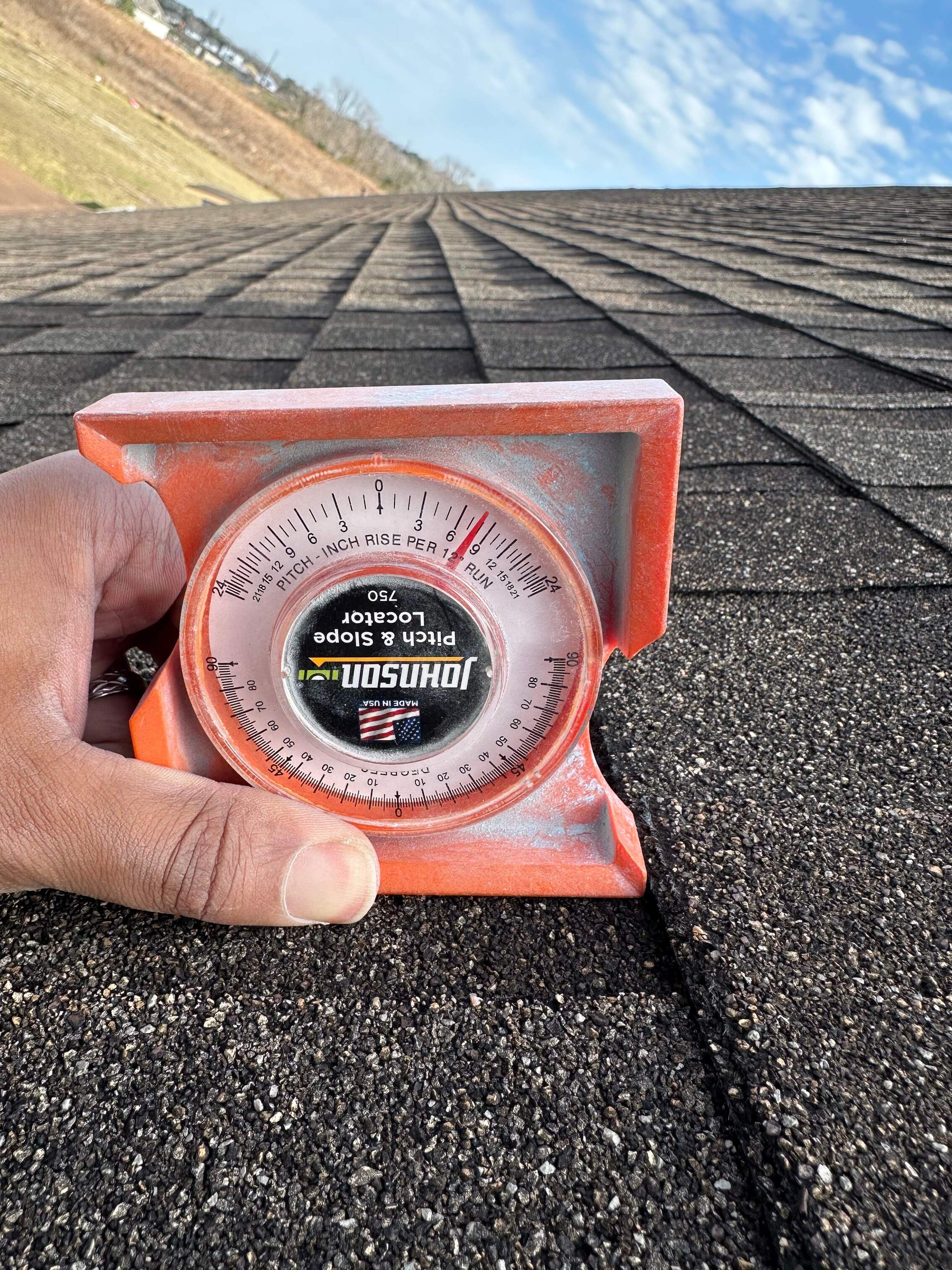
Together, these tools form part of our structural diagnostics technology approach. The goal is not to rely on technology for its own sake, but to support accurate engineering conclusions.
This process allows us to:
● Identify hidden damages
● Separate structural damages from cosmetic damages
● Professional document findings
● Provide state-stamped engineering reports if and when required
In storm-related or insurance-related cases, this level of documentation is often critical.
Detecting Hidden Damage After Storms
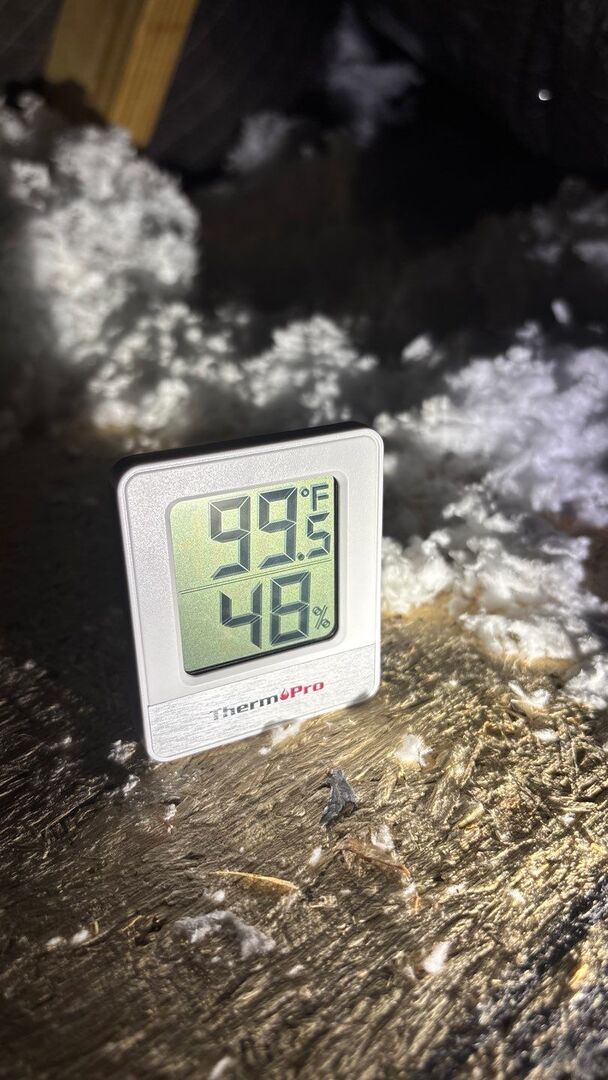
Storm events frequently cause damage that does not appear immediately. Wind storms, hail impact, and rapid moisture intrusion can affect roof systems, wall assemblies, and structural connections. And the damage might not be visible to homeowners initially.
With our modern structural engineering tools alongside our forensic professional methods, we can detect:
● Moisture trapped within walls or assemblies
● Early framing movement in the structure
● Subtle separation at roof-to-wall connections
● Material changes caused by impact or saturation
This type of hidden damage detection plays a very important role at times when damage attribution and timing matter.
Why Tools Do Not Replace Engineering Judgment
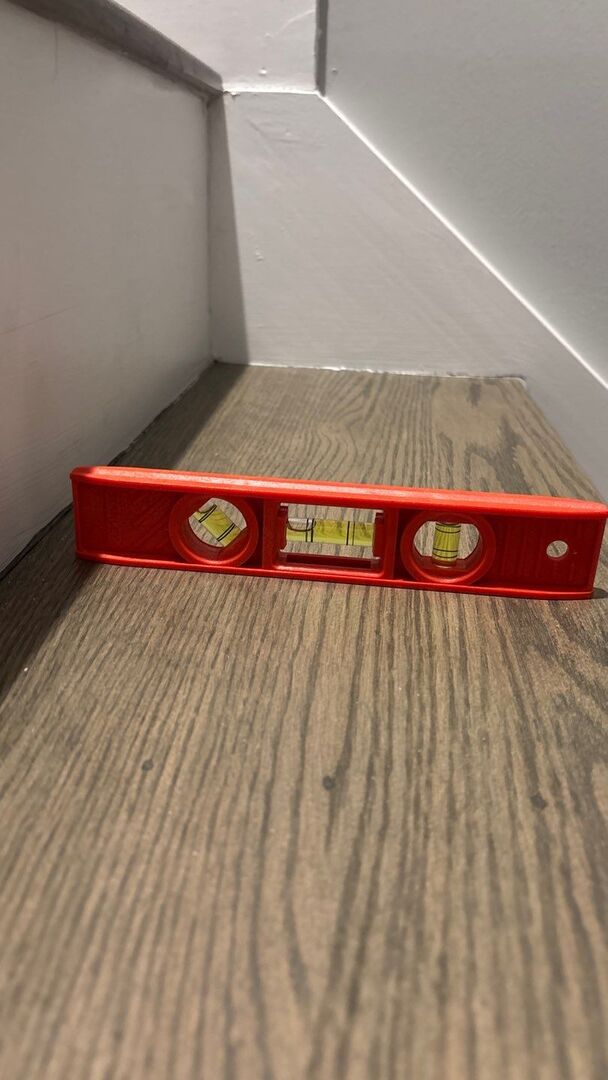
While modern tools improve accuracy, they do not replace professional expertise. Data must be interpreted correctly, within the context of structural design, material behavior, and building codes.
At A Step in Time Structural Engineering, all inspections are performed or reviewed by a licensed Professional Engineer. Our conclusions are based on a combination of:
● On-site observations
● Measured data
● Engineering principles
● Real-world construction knowledge
Our Commitment - Accurate, Evidence-Based Evaluations
Modern inspection tools allow us to find clearer answers, reduce uncertainty or assumptions, and help homeowners make the right repair decisions for their property.
Irrespective of the concern, whether it is storm damage, moisture intrusion, structural movement, or pre-purchase evaluation, our process of structural inspections covers everything and stays the same: investigate thoroughly and explain findings clearly.
This commitment is what allows us to deliver inspections that stand up to scrutiny and support long-term safety.
Best Structural Engineering Services in Virginia - A Step in Time Structural Engineers
Hidden structural damage often develops without obvious warning signs. By using modern structural inspection tools alongside our experienced engineering analysis, we detect structural problems early, explain their cause, and recommend appropriate steps to homeowners about repairs.
At A Step in Time Structural Engineering, we use modern tools as part of a disciplined, evidence-based process that prioritizes accuracy and safety.
Call (848) 467-7328 now to schedule a professional structural inspection. Or visit our official website: https://vaengineer.com/

Raymond Gessner
Ray’s academic background is firmly rooted in engineering. He earned a Bachelor of Science in Civil Engineering from Virginia Tech in 1991, followed by a Master of Engineering degree from Old Dominion University in 1998. His technical expertise was further solidified when he obtained his Professional Engineering (P.E.) license in 1999.