A Step in Time Structural Engineers

Vehicle Impact Structural Inspections
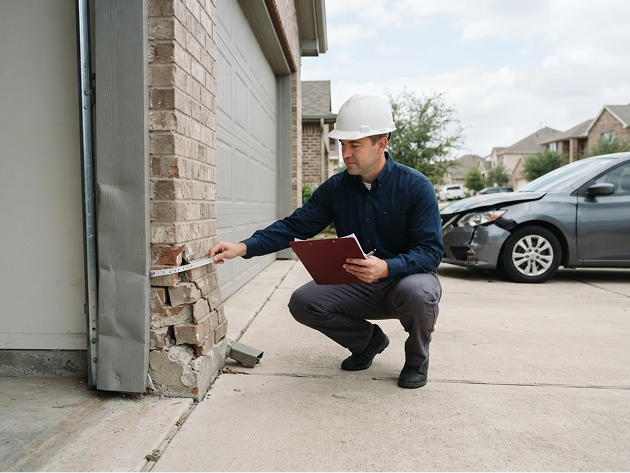
When a vehicle strikes a residential structure, the visible damage at the point of impact is the part that gets photographed and estimated. It is rarely the whole picture.
Impact forces travel through a building along structural load paths that have nothing to do with where the vehicle made contact. A corner strike at foundation level can shift framing load paths two stories up. An impact on an exterior wall can deflect a beam, loosen connections, and alter how the roof structure sits above - none of which shows from outside the home.
A Step in Time Structural Engineering provides independent vehicle impact structural assessments for homeowners across Virginia, producing PE-stamped engineering reports that trace the full structural consequence of the impact rather than just the visible damage at the strike point.
Why Surface Assessment Is Not Enough
The structural consequences of a vehicle impact depend on factors that a visual inspection cannot establish:
The angle of impact determines how force distributes through the structure. The orientation of the framing at the point of contact determines how loads are absorbed and redistributed. Whether the impact involved a load-bearing wall, a foundation corner, or an interior framing element each produces a different structural outcome.
An impact that looks minor from the outside can have transferred force to attic joists, roof rafters, and floor girders well beyond the affected wall. These conditions are not visible from the exterior and require structural assessment to identify.
What Our Vehicle Impact Assessment Covers
A vehicle impact structural assessment from A Step in Time examines the full impact load path through the structure:
- Exterior walls, masonry, and cladding at and near the impact zone
- Load-bearing framing for deflection and connection failures
- Foundation elements for cracking or displacement caused by the impact
- Roof structure and upper floor framing for load path transfer effects
- Interior wall conditions for crack patterns consistent with structural movement
We document all findings with photographs and produce a PE-stamped engineering report specifying conditions observed, structural implications, and what the engineering requires for repair.
Insurance Claims for Vehicle Impact Damage
Vehicle impact damage to a residential structure is a covered peril under standard homeowners policies. For claims involving structural components - walls, foundations, framing - a PE-stamped engineering report documenting the full structural impact provides the professional documentation the claim requires.
When the insurer's initial assessment focuses only on visible surface damage, an independent structural engineering report that traces the full load path impact provides an engineering basis for the complete scope of the claim.
Mr. Ray Gessner, PE is available to provide expert witness testimony in insurance disputes or legal proceedings involving vehicle impact structural damage.
FAQs
Do I need a structural engineer after a car hits my house?
If the impact involved a load-bearing wall, a foundation element, or any portion of the structure that carries load, a structural engineering assessment is the appropriate step. Surface damage can be addressed by a contractor. Structural implications require engineering assessment to identify and document correctly.
How quickly should I get a structural assessment after a vehicle impact?
What if the contractor says the damage is only cosmetic?
A vehicle impact that looks minor from the street may have structural consequences that are not visible without engineering assessment. A Step in Time Structural Engineering serves Virginia Beach, Richmond, Northern Virginia, and 20+ states. Call (848) 467-7328